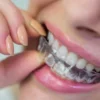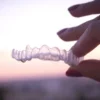


A clear removable retainer may last approximately one to three years, while a well-maintained Hawley Retainer may remain usable for five to ten years or longer. A Permanent Retainer can also last for many years, although its wire or bonding may eventually require repair or replacement.
These are planning ranges, not expiration dates. Retainer condition and fit matter more than age alone.
Retainer Lifespan by Type
| Retainer type | General planning range | Common reasons for replacement |
| Clear removable retainer | About 1–3 years | Cracks, holes, distortion, looseness or inaccurate fit |
| Hawley Retainer | About 5–10 years or longer | Bent wire, broken clasp, cracked acrylic or changed fit |
| Permanent Retainer | Often many years | Loose bond, bent wire, hygiene problems or tooth movement |
Individual experience varies. One patient may grind through clear plastic quickly, while another uses the same appliance for several years.
The practical question is not simply, “How old is it?” It is, “Does it remain accurate, intact and cleanable?”
Why Clear Retainers Often Need Earlier Replacement
Clear Retainers are made from relatively thin thermoplastic. Their close fit and low visibility are useful, but repeated insertion, removal and biting forces gradually affect the material.
Have a Clear Retainer evaluated when it:
- Develops a crack, split or hole
- Becomes warped
- Feels unusually loose
- Lifts away from one or more teeth
- Has sharp or rough edges
- No longer seats completely
- Has deposits or odor that cannot be resolved safely
Cloudiness alone does not always mean replacement is necessary. It may come from mineral buildup or surface scratches. The orthodontist can determine whether the appliance remains structurally accurate.
How Long Can a Hawley Retainer Last?
A Hawley Retainer is made from a firm acrylic or plastic base and metal wire. These components can be durable, and certain forms of damage may be professionally repairable.
It should be checked when:
- The front wire bends or breaks
- A clasp becomes loose
- The acrylic cracks
- The appliance feels too loose
- It stops seating completely
- A sharp section irritates the mouth
Do not bend the wire yourself. An inaccurate adjustment may change how the appliance contacts the teeth.
Repair can be appropriate when the retainer still matches the teeth and the remaining components are in good condition. Extensive damage or an inaccurate fit may make replacement the more reliable option.
How Long Can a Permanent Retainer Last?
A fixed retainer may remain in place for many years, but it can fail without falling out of the mouth.
Contact your orthodontist if:
- The wire moves or looks bent
- Adhesive separates from a tooth
- A rough edge appears
- Floss begins catching differently
- A connected tooth changes position
- A space begins to open
A wire attached to several teeth but detached from one is no longer retaining every tooth effectively. Routine dental and orthodontic examinations can identify problems that are difficult to see at home.
Does an Older Retainer Need Automatic Replacement?
No.
An older appliance that remains undamaged, cleanable and accurately fitted may still be serviceable. A newer one may need replacement much sooner if it has warped, cracked or become loose.
Material wear can be gradual. Appearance alone does not confirm that the retainer is still accurate.
A removable retainer should seat fully and securely without being forced. A Permanent Retainer should remain bonded and passive.
What Shortens Retainer Lifespan?
Grinding and clenching
Heavy or repeated contact can create wear spots, holes and cracks in clear plastic. It may also place additional stress on fixed-retainer bonds.
A retainer is not automatically a substitute for a night guard. Tell your orthodontist or dentist if you grind or clench.
Heat
Hot water, dishwashers, direct sunlight and other heat sources can distort plastic or acrylic. The shape change may be subtle but still affect fit.
Uneven removal
Pulling a Clear Retainer from one point or using the front wire of a Hawley Retainer as a handle places repeated stress on the appliance.
Release a removable retainer evenly using the technique shown by your orthodontic team.
Improper cleaning
Abrasive cleaners can scratch the surface, while harsh chemicals may damage plastic, acrylic or metal. See How to Clean a Retainer for material-safe methods.
Poor storage
A retainer left loose can be crushed, discarded or chewed by a pet. Keep it in its protective case whenever it is out of your mouth.
Dental work or tooth movement
A filling, crown or other restoration can change the shape of a tooth. Tooth movement, growth and changes in oral health can also make an undamaged retainer inaccurate.
How Can You Make a Retainer Last Longer?
Handle it gently, clean it daily and store it safely.
Remove the appliance evenly, keep it away from heat and avoid eating with it unless instructed otherwise. Have small cracks, loose wires and fit changes assessed early.
Care can extend useful life, but it cannot restore a worn or distorted appliance.
Should You Replace It Before It Breaks?
Sometimes.
A Clear Retainer with thinning areas or spreading cracks may fail soon. Planning a replacement can reduce the time you spend without retention.
Ask whether keeping a current backup is appropriate if you travel frequently or tend to wear through retainers. An old backup is useful only if it still matches your teeth and remains safe to wear.
Can You Keep Wearing a Cracked Retainer?
Ask your orthodontist before continuing.
A crack can spread, create a sharp edge or change how the appliance flexes. Temporary use may be appropriate in some cases while a replacement is made, but not when the fit or structure is compromised.
Do not repair it with household glue.
What If It Looks Fine but Feels Different?
A changed fit may appear before visible damage.
A suddenly tight appliance may indicate tooth movement. A loose one may have stretched or lost accuracy. A Permanent Retainer may have detached from one tooth while appearing intact.
Do not force or modify it. Use My Retainer Doesn’t Fit—What Should I Do? for the next step.
Will Replacement Require a New Scan?
Often, a new retainer is made from a current digital scan or impression.
Existing digital records may sometimes be usable, but an older model may not represent your current tooth shapes or positions. The orthodontist must first decide whether the replacement should hold the teeth where they are now or whether movement should be corrected.
Replacement Is Normal Retainer Maintenance
Retainers are long-term medical appliances, but they are not lifetime objects. Replacing one does not mean retention failed; it means the next appliance can maintain the result more reliably.
Orthodontic Experts can examine your retainer and advise whether it should be cleaned, adjusted, repaired or replaced.
For financial planning, read Replacement Retainer Cost: What Should You Expect to Pay?
Frequently Asked Questions
How often should I replace my retainer?
Replace it according to fit, damage and clinical advice rather than a fixed calendar. Clear Retainers usually require more frequent replacement than Hawley or fixed retainers.
Can a retainer last 20 years?
Some Hawley or Permanent Retainers may remain serviceable for a long time. They should still be secure, accurate, cleanable and clinically appropriate.
Why do my Clear Retainers keep cracking?
Grinding, clenching, uneven removal, material design and bite forces may contribute. Ask whether a different thickness, material or retainer type would be more suitable.
Should I keep my old retainer after receiving a new one?
Ask your orthodontist. It may serve as an emergency backup only if it remains accurate, clean and undamaged.
Does a Permanent Retainer need to be replaced on a schedule?
Not usually. It should be monitored and repaired or replaced when the wire, bond, hygiene or tooth positions create a clinical reason.