

- July 3, 2026
Most adults don’t wake up one day and decide to get orthodontic treatment.
It usually starts gradually.
- A tooth feels slightly out of place.
- A smile in a photo doesn’t look the way it used to.
- Or something that was ignored years ago starts to feel more noticeable.
By the time someone searches for “adult orthodontics,” they’re not just curious, they’re already thinking about change.
At Orthodontic Experts, the goal is not to push you toward a specific treatment.
It’s to help you understand what’s actually happening with your teeth now, and what options realistically fit your life.
Because for adults, orthodontics isn’t just about straightening teeth, it’s about making a decision that fits your schedule, your comfort, and your long-term health.
Start with a no-cost consultation and understand your options.
Is It Too Late to Fix Your Teeth?
This question comes up in almost every adult consultation. Not because treatment isn’t possible, but because most people assume they missed the “right time.”
The reality is different.
Teeth don’t stop moving after your teenage years. In fact, many adults come in specifically because their teeth have moved over time.
Common situations we see include:- Teeth shifting years after braces due to inconsistent retainer use.
- Gradual crowding that wasn’t noticeable before.
- Bite issues that only become uncomfortable later in life.
- Small changes that slowly affect confidence when smiling.
What matters is not age, it’s whether your gums and supporting bone are healthy enough to support movement.
What also changes in adulthood is how treatment is planned.
It’s less about “correcting everything quickly” and more about making precise, stable, and long-term decisions.
The first step isn’t choosing a treatment, it’s understanding what your teeth actually need.
Why Adults Consider Orthodontic Treatment
One of the biggest misconceptions is that adults choose orthodontics only for cosmetic reasons. In reality, most decisions are layered.
- Teeth shifting after earlier treatment Even patients who had braces years ago often experience gradual movement, especially if retainers weren’t worn long-term.
- Bite problems that become noticeable later Overbites, underbites, and uneven contact between teeth may not feel significant earlier but can lead to wear or discomfort over time.
- Difficulty maintaining oral hygiene Crowded or misaligned teeth create areas that are harder to clean, which can impact long-term dental health.
- Confidence in professional and social settings For many adults, this is not about vanity, it’s about feeling comfortable speaking, presenting, and interacting.
- Preventing future complications Small alignment issues today can become larger functional problems later.
Adult orthodontics is often a mix of correction, prevention, and confidence.
Braces or Invisalign®: How Adults Actually Decide
Most adults don’t struggle with the idea of treatment. They struggle with choosing the right type of treatment.
And that decision is rarely just about appearance.
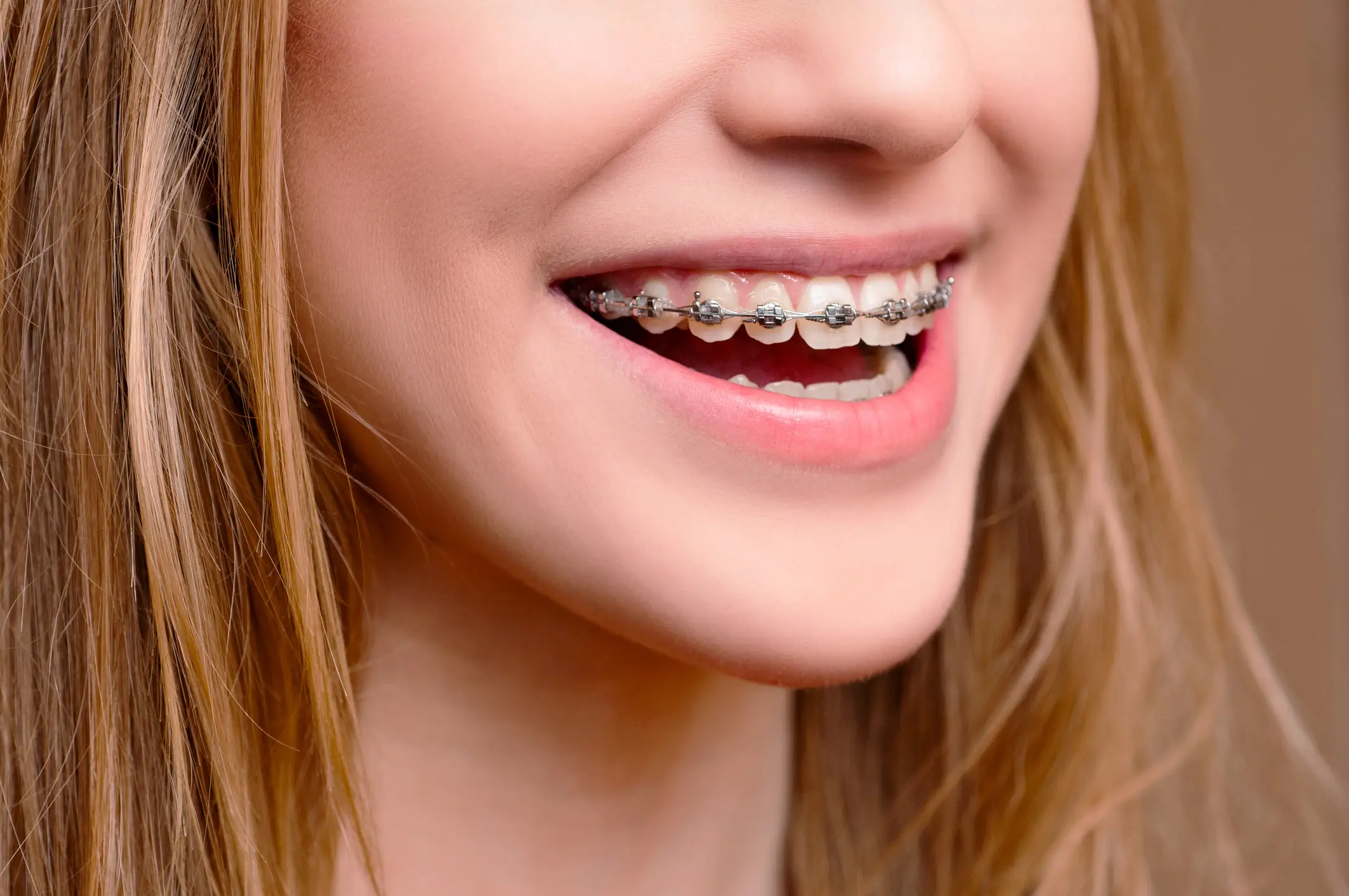
When Braces Make More Sense
Braces are often recommended when:
- The alignment issue is more complex
- Precise control of tooth movement is needed
- Consistency is important (since braces work continuously)
Many adults prefer braces simply because they remove the responsibility of remembering wear time.
Explore Braces for Adults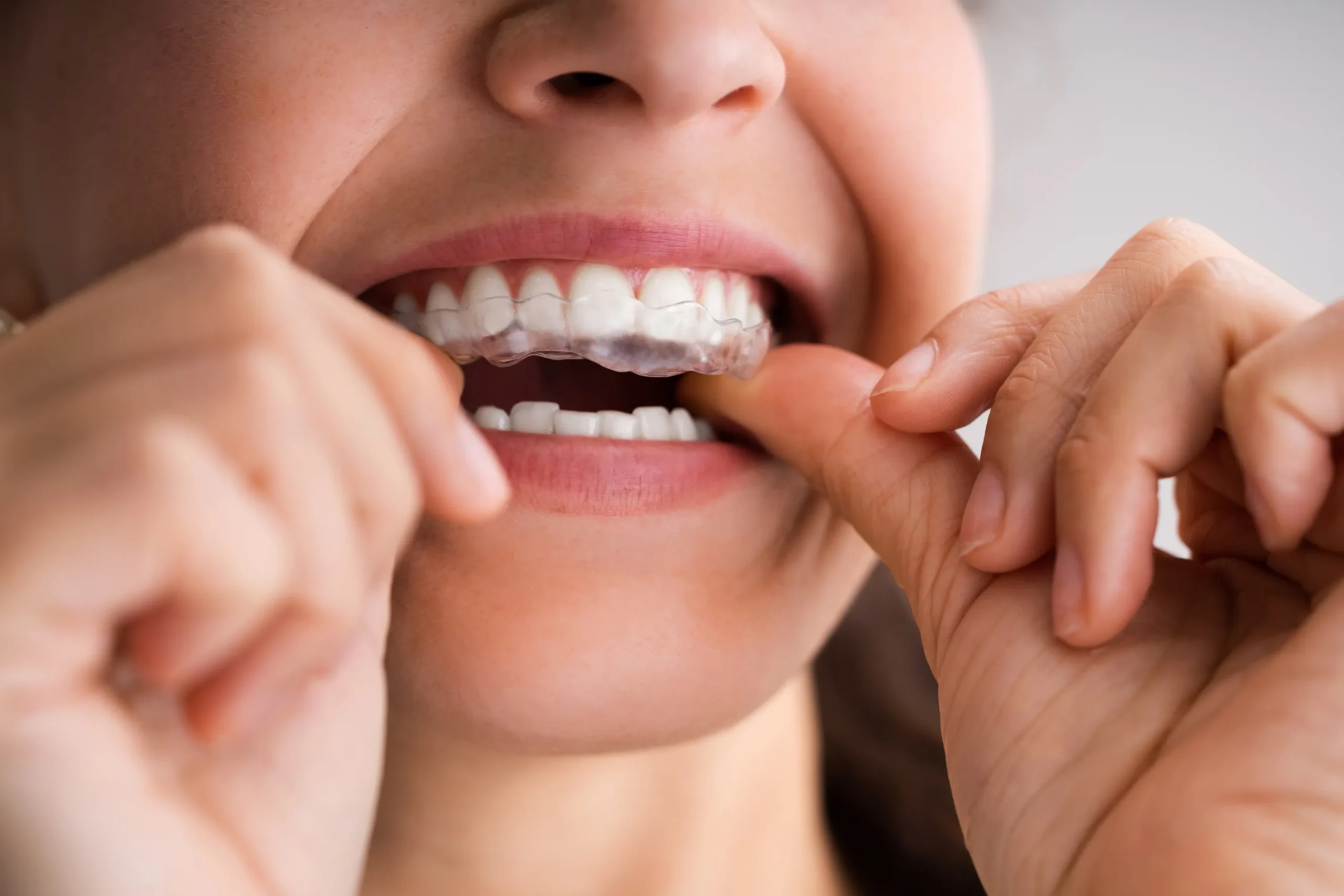
When Clear Aligners Make More Sense
Clear aligners tend to work well when:
- The case is mild to moderate
- Flexibility is important
- Appearance is a priority in daily interactions
However, aligners come with one important requirement:
- They only work if they are worn consistently.
This is one of the biggest decision factors we discuss during consultations.
Explore Invisalign® Clear Aligners Explore Clear Aligners for AdultsWhat Most Adults Don’t Realize
The decision is not “Which one is better?” It is “Which one will work better for you, based on your routine and goals?”
What Makes Adult Orthodontics Different
This is where adult treatment becomes more nuanced.
Unlike teen orthodontics, we are not working with a developing system, we are working with a fully established one.
That introduces additional considerations.
- Existing dental work Crowns, bridges, or implants may limit or guide how teeth can be moved.
- Gum health Before any treatment begins, gum condition must be stable to support safe movement.
- Bone density and response Tooth movement may progress differently compared to younger patients.
- Lifestyle constraints Work schedules, travel, meetings, and social interactions all influence treatment choice.
Because of this, adult orthodontics is less standardized and more case-specific and carefully planned.
Cost, Insurance, and Payment: What to Expect
For many adults, the biggest barrier isn’t the treatment itself, it’s uncertainty.
Questions like:
- “How much will this actually cost?”
- “Is this something I can manage monthly?”
- “Will insurance help at all?”
are often left unanswered for too long.
At Orthodontic Experts, the goal is to remove that uncertainty early.
You can expect:
- A no-cost consultation to understand your case
- A clear breakdown of treatment options
- Flexible payment plans based on your situation
- Support in reviewing insurance benefits
The goal is not just to make treatment possible but to make it clear and manageable from the beginning