
Orthodontic Retainers
An orthodontic retainer is a custom-made appliance that helps keep your teeth in position after braces or clear aligner treatment. Retainers may be removable, bonded behind the teeth or used in combination.
The right choice depends on more than appearance. Your orthodontist considers the movements completed during treatment, the stability of your teeth, your bite, oral hygiene and how reliably you can manage a removable appliance.
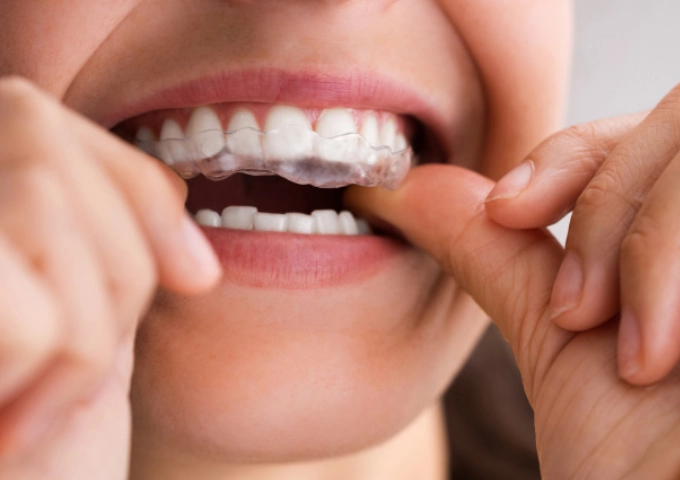
Why Retainers Matter After Orthodontic Treatment
Braces and clear aligners move teeth, but teeth do not become permanently fixed when active treatment ends. The surrounding bone and tissues need time to adapt, and teeth remain capable of changing throughout life.
Retention helps preserve the alignment and bite achieved through treatment. A retainer is therefore part of the orthodontic plan, not an optional accessory supplied after it.
Most retainers are passive appliances: they hold an intended position rather than actively moving teeth. If your teeth have already shifted, an orthodontist should determine whether to retain their current position or correct the movement first.
Which Type of Retainer Is Right for You?
Three designs account for most orthodontic retainers.
| Type | Best known for | Main tradeoff |
|---|---|---|
| Clear removable retainer | Discreet, close-fitting coverage | Requires consistent wear and can crack or distort |
| Hawley retainer | Durability and professional adjustability | The front wire is visible and the appliance can feel bulkier |
| Permanent retainer | Continuous retention of selected teeth | Requires careful cleaning and professional repair |
No type is best for every patient. Some retention plans use two designs, for example, a bonded wire behind the lower front teeth plus a removable retainer worn at night.
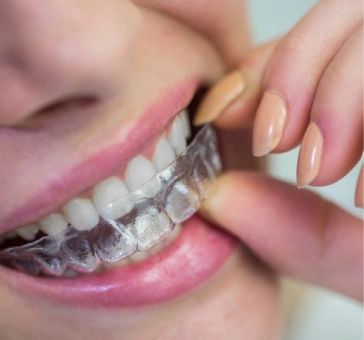
Clear retainers
A clear retainer is a transparent plastic shell made to match a specific arrangement of your teeth. It is less noticeable than a Hawley retainer and can be removed for meals and oral hygiene.
Clear retainers resemble clear aligners but have a different purpose. An aligner belongs to a planned sequence that moves teeth; a conventional clear retainer holds one position.
Clear plastic can wear, crack or distort with heat. The appliance also works only when it is worn.
Essix retainers and Vivera retainers are examples of clear retainers. Both use transparent, custom-made shells to hold the teeth in their corrected position.
Read Clear Retainers: Benefits, Limitations and What to Expect for fit, daily use and selection guidance.
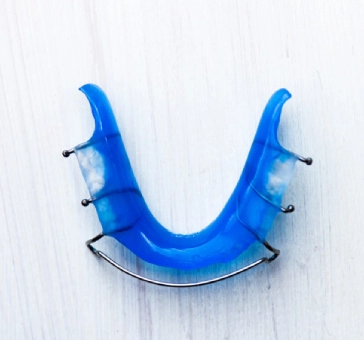
Hawley retainers
A Hawley retainer combines an acrylic or plastic base with a metal wire across the front teeth. It is removable, durable and can sometimes be professionally adjusted or repaired.
The wire is more visible than a clear retainer, and the acrylic may briefly affect speech while the tongue adapts. Its open biting surfaces and adjustable design can make it useful in selected cases.
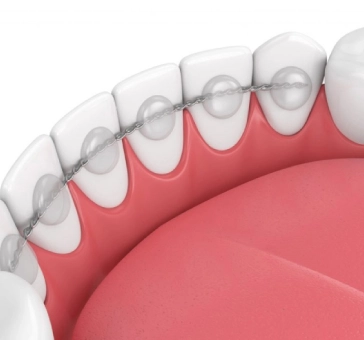
Permanent retainers
A permanent, or fixed, retainer is bonded behind selected teeth and works continuously. It cannot be forgotten or lost during normal use, but plaque can accumulate around its wire and adhesive without careful cleaning.
“Permanent” describes a retainer that you do not remove yourself. It does not mean the appliance will never loosen, break or require replacement.
Because a fixed retainer usually covers only part of an arch, your orthodontist may also prescribe a removable retainer.
How Your Retainer Is Chosen
Your orthodontist may consider:
- Your original tooth positions and bite
- Rotations, spaces or other movements corrected during treatment
- Gum and bone health
- Existing crowns, fillings or other dental work
- Teeth grinding or clenching
- Cleaning access
- Your ability to follow a removable-retainer routine
- Comfort, speech and appearance preferences
A retainer should support both clinical stability and realistic daily use. A highly discreet appliance is of little value if it is rarely worn, while a fixed wire is a poor solution if it cannot be kept clean.
What Happens When You Receive a Retainer?
A digital scan or impression records the tooth positions the retainer is intended to hold. The finished appliance is checked for accurate seating, comfort and interaction with your bite.
Before leaving, you should understand:
- When and how long to wear it
- How to insert and remove it safely
- How to clean and store it
- Which fit changes require an appointment
- How replacement and follow-up are handled
Schedules differ by patient. Many people begin with more frequent removable-retainer wear and later move to nighttime use, but your orthodontist’s instructions should take priority over a general online timeline.
For the full schedule, read How Long Do You Have to Wear a Retainer?
How Long Will You Need Retention?
Many patients continue some form of retention over the long term because teeth remain capable of moving. This usually does not mean wearing a removable appliance all day forever.
As the result becomes more stable, your orthodontist may reduce the frequency. A retainer that becomes tight between uses can indicate that the teeth are moving during the time it is out.
There is no universal age or anniversary when every patient can safely stop. See When Can You Stop Wearing Retainers? for the long-term decision.
If Something Is Wrong With Your Retainer
Choose the situation that matches what is happening now.
You forgot to wear it
A missed night and several months without retention do not require the same response. Use What Happens If You Don’t Wear Your Retainer? for a time-based recovery guide.
It is tight, loose or will not seat
Do not force, heat or reshape it. Read My Retainer Doesn’t Fit, What Should I Do?
Your teeth have shifted
A passive retainer may hold the current position but is not a substitute for planned orthodontic movement. See Can Retainers Move Teeth Back?
It is dirty or smells
Cleaning methods differ between clear, Hawley and fixed appliances. Follow How to Clean a Retainer rather than using an unverified household remedy.
It is worn or damaged
Learn which warning signs require repair or replacement in How Long Do Retainers Last?
You need a replacement
Before ordering, confirm whether the goal is to preserve the current alignment or correct movement. See Replacement Retainer Cost: What Should You Expect to Pay?
How Should a Retainer Fit?
A removable retainer should seat completely and feel secure. A new appliance may be snug, but it should not require you to bite it into place or cause significant pain.
A permanent retainer should remain firmly bonded and passive. Contact your orthodontist if the wire moves, feels bent or sharp, or if a connected tooth changes position.
Small problems are easier to manage before the appliance fails completely or further movement occurs.
Caring for the Result
Remove a removable retainer for eating unless instructed otherwise, and store it in its protective case. Keep plastic and acrylic appliances away from hot water, dishwashers and other heat sources.
Clean the appliance and your teeth consistently. A fixed retainer requires careful brushing and cleaning beneath or around the wire.
Bring your retainer to relevant orthodontic appointments and to dental visits when planned treatment may change the shape of a tooth.
Retainer Assessment at Orthodontic Experts
Retention should be based on your current tooth positions, treatment history and long-term stability needs.
Orthodontic Experts can evaluate an existing retainer, explain clinically appropriate designs and determine whether the next step is continued wear, adjustment, repair, replacement or correction of tooth movement.
Bring any current or previous retainers to the appointment, even if they are damaged or no longer fit.
Frequently Asked Questions
Is a retainer included with braces or clear aligners?
Retainer inclusions and replacement terms vary by treatment agreement. Confirm how many appliances are provided, which arches are covered and whether future replacements carry a separate fee.
Can I choose my retainer type?
Your preferences should be considered, but not every design is appropriate for every bite or retention need. Your orthodontist should explain the suitable options and their tradeoffs.
Is a night guard or sports mouthguard the same as a retainer?
No. A retainer maintains tooth position, a sports mouthguard protects against impact and a night guard manages grinding or clenching. One appliance should not replace another unless it was specifically designed and prescribed for both purposes.
Can I order a new retainer without seeing an orthodontist?
A straightforward replacement may sometimes use suitable existing records. An examination is advisable when the old appliance no longer fits, the teeth have shifted, the bite has changed or dental work has altered tooth shape.
Should I keep an old retainer?
Ask your orthodontist before discarding it. An accurate, undamaged old appliance may sometimes serve as a backup, but a retainer made for a previous tooth position should not be forced into place.
Book a No-Cost consultation
Find Retainers Treatment Near You!
Illinois (23 Locations)
Indiana (6 Locations)
Wisconsin (5 Locations)
Copyright © 2026. Orthodontic Experts Ltd. | Notice of Privacy Policy | Design & Developed by iSEO Ranker