Ceramic Braces (Tooth-Colored Braces)
For many patients, choosing braces is not just about treatment; it’s about how that treatment will look and feel in everyday life.
Ceramic braces are often considered by those who want a more discreet option than traditional metal braces, while still receiving the consistency of a fixed orthodontic system. Understanding how they actually appear, how they behave over time, and when they are typically recommended can help you decide if they’re the right fit.

- May 13, 2026
Key Takeaways
- Ceramic braces use tooth-colored brackets to straighten teeth, offering a less noticeable alternative to metal braces
- They work like traditional braces but are chosen mainly for their more aesthetic, subtle appearance
- Require proper care, as elastic ties can stain and brackets may be slightly more delicate than metal
Table of Content
What Actually Are Ceramic Braces?
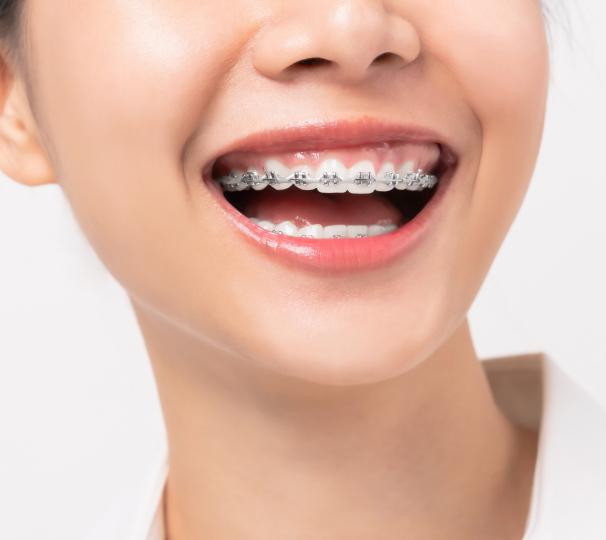
Ceramic braces are a type of fixed orthodontic treatment that uses tooth-colored or clear brackets to move teeth into alignment. They function in the same way as traditional metal braces but are designed to blend more naturally with the teeth.
They are sometimes referred to as “clear braces,” although this term can also be used for aligners. Unlike removable aligners, ceramic braces remain attached to the teeth throughout treatment and are adjusted by an orthodontist.
Why People Consider Ceramic Braces?
Most patients who explore ceramic braces are not starting with a question about how braces work, they are thinking about how braces will affect their appearance.
Ceramic braces are commonly considered by:
- Adults who want a more subtle option in professional settings
- Teens who are conscious of how braces look in social environments
- Patients who want a balance between visibility and treatment control
They are often chosen not because they are fundamentally different in function, but because they feel more comfortable from a visual perspective.
How Ceramic Braces Look in Real Life?
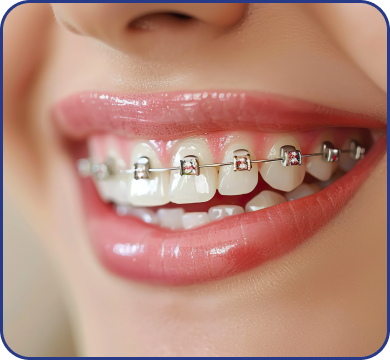
Ceramic braces are less noticeable than metal braces, but they are not invisible. Understanding how they appear in different situations is important for setting realistic expectations.
- From a distance: Ceramic brackets tend to blend with natural tooth color, making them harder to notice in everyday conversations.
- Up close: The outline of brackets and the archwire may still be visible.
- Lighting conditions: Bright or direct lighting can make braces more noticeable.
- Components: Even when brackets are tooth-colored, wires and elastic ties can still be seen.
For most patients, ceramic braces significantly reduce visibility, but they do not completely disappear.
When Ceramic Braces Make Sense Clinically
Ceramic braces may be recommended when both effectiveness and appearance are important.
Orthodontists often consider them in cases where:

Fixed braces are needed for reliable tooth movement

Alignment issues are moderate to moderately complex

The patient prefers a less noticeable option but still needs controlled treatment
The final decision depends on an orthodontic evaluation, including tooth position, bite alignment, and treatment goals.
What You Need to Be Careful About?
Ceramic braces offer aesthetic benefits, but they also require awareness and care during treatment.
- Appearance depends on maintenance: Oral hygiene plays a key role in how braces look over time.
- Elastic ties may discolor: Some components can stain if not maintained properly.
- Material considerations: Ceramic brackets can be more delicate than metal in certain situations.
If appearance is a top priority, it is important to understand how daily habits can influence the overall look of your braces.
Learn More About This In Our Guide To Ceramic Braces Staining
Who Typically Chooses Ceramic Braces?
Ceramic braces can be used across different age groups, depending on treatment needs and lifestyle preferences.
Ceramic Braces for Kids
Ceramic braces are less commonly used for kids, as durability and ease of maintenance are often prioritized during early orthodontic treatment. However, they may still be considered in certain cases where appearance is an important concern and the child can manage proper care.

Ceramic Braces for Teens
For teens, ceramic braces are a popular option for balancing effective treatment with a less noticeable appearance. The tooth-colored brackets blend more naturally with the teeth while still providing the control needed for many alignment and bite corrections.

Ceramic Braces for Adults
For adults, ceramic braces are one of the most common choices because they offer a more discreet look in professional and social settings. They provide many of the same treatment benefits as traditional braces while helping the appliance appear less visible during everyday interactions.

Suitability is always determined by diagnosis rather than age alone.
What Ceramic Braces Treatment Feels Like?
The experience of wearing ceramic braces is similar to other fixed braces systems. Patients attend regular orthodontic visits where adjustments are made to guide tooth movement.
Some mild pressure or soreness may occur after adjustments, especially early in treatment. This is temporary and typically subsides as the teeth begin to move.
Maintaining good oral hygiene is essential, both for oral health and to preserve the appearance of the brackets.
Where Ceramic Braces Fit Among Treatment Options?
Ceramic braces are one of several orthodontic treatment options available today. They sit between traditional metal braces and more discreet systems like clear aligners in terms of visibility and control.
To understand how ceramic braces compare with other options, see our full guide to types of braces

Educational content only. Treatment recommendations are made after a professional orthodontic evaluation.
Sources may include:
Frequently Asked Questions
We understand that you might have questions about ceramic braces. Here are answers to some common concerns:
Schedule a No-Cost ConsultationAre ceramic braces noticeable?
They are less noticeable than metal braces, especially from a distance, but they are still visible up close.
Do ceramic braces stain?
The brackets resist staining, but elastic ties can discolor over time depending on care and diet.
Are ceramic braces good for adults?
Yes. They are commonly chosen by adults who want a less noticeable fixed orthodontic treatment.
Are ceramic braces as strong as metal braces?
They function similarly, though the materials may behave differently depending on the case.
Can ceramic braces fix complex problems?
They can address many alignment issues, but suitability depends on the specific orthodontic diagnosis.
Book a No-Cost consultation
Find orthodontic experts Near you
Find expert care for ceramic braces near you and get a treatment plan designed for both results and aesthetics. Orthodontic Experts offers personalized ceramic braces treatment across Illinois, Indiana, and Wisconsin. Select your location to schedule a consultation and get started.
Illinois (23 Locations)
Indiana (6 Locations)
Wisconsin (5 Locations)

Get the confidence you deserve and discover your new true smile with Orthodontic Experts.