

- July 3, 2026
For most families, orthodontic treatment becomes a serious consideration during the teenage years.
Not because something suddenly went wrong, but because this is the stage where teeth, bite, and jaw development come together in a way that allows for more complete and predictable correction.
At the same time, this is also when daily life becomes more complex.
School schedules, sports, social activities, eating habits, and personal confidence all become part of the decision.
At Orthodontic Experts, teen orthodontic treatment is approached with both clinical precision and real-life practicality, helping families make informed decisions that work not just in theory, but in everyday life.
Start with a no-cost consultation to understand what’s right for your teen.
Why the Teenage Years Are Ideal for Orthodontic Treatment
Orthodontic treatment is not defined by age alone, it is guided by development. The teenage years provide a unique window where several important conditions align:
- Most permanent teeth have erupted
- Jaw growth is still active and responsive
- Bite relationships can be evaluated more accurately
This allows orthodontists to diagnose and treat issues such as crowding, spacing, and bite misalignment with greater precision and predictability.
Starting treatment too early may mean working with incomplete development, while delaying treatment too long can reduce the ability to guide growth effectively.
This stage offers the most balanced opportunity to correct alignment and achieve long-term stability.
What Problems Are Typically Addressed During Teen Orthodontics
Teen orthodontic treatment is rarely focused on a single concern. Instead, it often involves correcting multiple aspects of dental alignment and function together.
- Crowding When there is insufficient space in the jaw, teeth may overlap or rotate, making alignment and cleaning more difficult.
- Spacing Gaps between teeth can affect both appearance and how teeth function together.
- Bite Alignment Issues Conditions such as overbite, underbite, or crossbite can impact how teeth meet, sometimes leading to uneven wear or jaw strain.
- Post-Phase I Treatment Needs Some teens who had early orthodontic evaluation may now require comprehensive alignment as permanent teeth fully develop.
Addressing these issues during the teenage years allows for more efficient correction and more stable long-term results.
Braces vs Clear Aligners, How Treatment Decisions Are Actually Made
One of the most common decisions families face is choosing between braces and clear aligners. While this is often approached as a comparison of features, the real deciding factor is more practical.
The success of treatment depends on consistency.
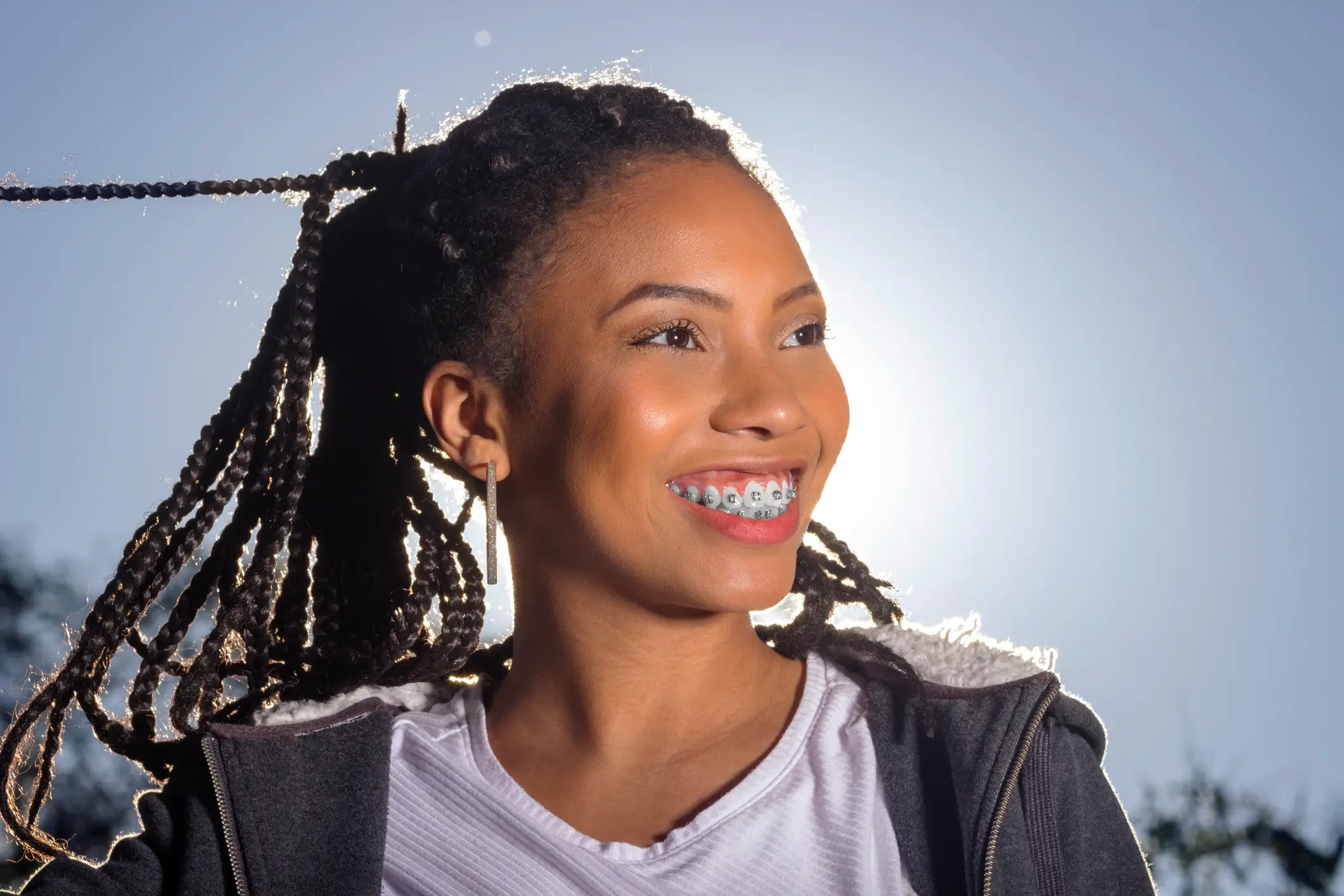
When Braces Are Clinically Recommended
Braces are often the preferred option when:
- The case requires precise, controlled tooth movement
- Bite correction is more complex
- There is concern about maintaining consistent wear habits
Because braces are fixed, they work continuously without requiring active participation beyond routine care.
Explore Braces for Teens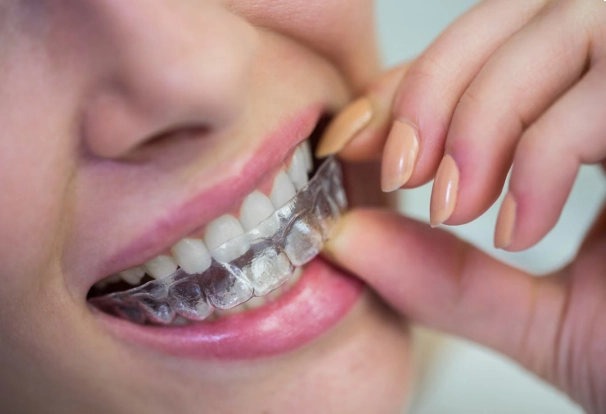
When Clear Aligners May Be Appropriate
Clear aligners can be an effective option when:
- The case is suitable for aligner-based correction
- Appearance is a consideration for the teen
- The patient is able to follow daily wear requirements consistently
However, aligners introduce an important clinical variable:
- They must be worn for the recommended duration each day to remain effective.
Inconsistent wear can delay progress or affect final outcomes.
Explore Clear Aligners for Teens Learn more about Invisalign® optionsWhat Many Families Overlook When Choosing Treatment
Decisions are often influenced by:
- aesthetics
- convenience
- initial preference
However, orthodontic outcomes depend more heavily on:
- how consistently the treatment is followed over time
A treatment that is ideal in theory may not be effective if it does not align with the patient’s daily habits. The most successful outcomes come from choosing an option that is both clinically appropriate and realistically sustainable.
How Orthodontic Treatment Fits Into Teen Life
Orthodontic treatment becomes part of a teen’s daily routine, and understanding this helps set realistic expectations.
- School and Daily Structure Appointments and routines must integrate with academic schedules and activities.
- Sports and Physical Activities Braces may require protective measures such as mouthguards, while aligners can be removed when appropriate.
- Eating Habits Braces may require avoiding certain foods, while aligners require discipline in removal and reinsertion.
- Social and Personal Confidence Some teens are initially concerned about appearance, though many adapt quickly over time.
The objective is not to eliminate adjustments, but to ensure they are manageable within everyday life.
What Parents Should Evaluate Before Starting Treatment
Parents play a central role in ensuring successful outcomes. The decision should be based on a combination of clinical and practical factors.
- Case Complexity Certain conditions require more controlled treatment approaches.
- Patient Compliance Aligner-based treatments depend heavily on consistent wear.
- Long-Term Stability The ability to maintain results after treatment is equally important.
- Daily Routine Compatibility Treatment should align with the teen’s schedule and habits.
A well-informed decision balances clinical needs with realistic expectations.
Cost, Insurance, and Financial Planning
Financial considerations are an important part of the decision-making process. At Orthodontic Experts, transparency is emphasized from the beginning.
What families can expect:- A no-cost consultation
- A clear and personalized treatment plan
- Flexible monthly payment options
- Assistance in reviewing insurance benefits
Treatment costs vary depending on complexity and chosen method.
The goal is to ensure that treatment is both understandable and manageable.
Why Families Trust Orthodontic Experts
Choosing orthodontic treatment for your teen is not just about selecting an option, it’s about trusting the people guiding that decision. At Orthodontic Experts, treatment recommendations are based on clinical evaluation, not assumptions or one-size-fits-all approaches.
Families choose Orthodontic Experts because:- Treatment plans are based on individual case needs, not generic pathways
- Options are explained clearly, including when one approach may be more appropriate than another
- The focus is on long-term stability, not short-term results
- Care is delivered consistently across multiple locations with standardized clinical protocols
Clinical Perspective: How Treatment Decisions Are Made
During a consultation, orthodontic decisions are not based on appearance alone.
They are guided by:
- Tooth position and alignment
- Bite relationship (how upper and lower teeth meet)
- Jaw development stage
- Space availability and crowding
- Patient habits and expected compliance
This ensures that treatment recommendations are not only suitable but predictable.
What to Expect During Your First Visit
The first visit is not about committing to treatment. It is about understanding your teen’s current condition and exploring appropriate options.
During the consultation, you can expect:- A review of your teen’s teeth, bite, and development
- Discussion of potential treatment options
- Explanation of expected timelines
- Guidance on braces vs aligners based on the specific case
- A clear outline of next steps, if treatment is recommended
This step is designed to give clarity, not pressure.
Commitment to Long-Term Outcomes
Orthodontic treatment does not end when braces or aligners are removed. Maintaining results is an important part of the process.
At Orthodontic Experts, this includes:- Retention planning to help maintain alignment
- Guidance on long-term care
- Follow-up recommendations when needed
The goal is not just straight teeth, it’s lasting results.