
Choose the Best Braces Color for Your Smile
Choosing braces colors may seem like a small detail, but for many patients, it plays a meaningful role in confidence, especially during school, work, and special occasions. Because braces are worn for months or even years, color choices can influence how a smile looks in photos and everyday interactions.

The good news is that braces colors are flexible and can be changed over time. Orthodontists regularly help patients choose braces colors during adjustment visits based on appearance, comfort, and lifestyle preferences. This guide is designed to help you understand how braces colors work, which options tend to look best, and how to choose colors that feel right for you at every stage of treatment.
Try Braces Colors With
Our Color Simulator
Seeing colors in action can make the decision process easier. A braces color simulator allows patients to preview different color options and combinations before selecting their bands.
While simulators provide helpful visual guidance, the final appearance can vary depending on lighting, bracket type, and individual tooth shade. Braces colors can also be changed at future adjustment visits, giving patients flexibility throughout treatment.
- Clear
- Green
- Lilac
- Red
- Silver
- Teal
- Fire Red
- Gold
- Royal Blue
- Light Blue
- Pearl
- Navy Blue
- Orange
- Pink
- Lime
- Purple
- Yellow
- Black

What Are Braces Colors &
How Do They Work?
What braces bands are
Braces colors come from small elastic bands, also called ligatures, that wrap around the bracket to hold the archwire in place. These elastic bands are available in a wide range of colors, allowing patients to personalize the appearance of their braces.
The color comes from the band itself, not the bracket. The right color band can also be influenced by the type of braces. For instance, dark tones like navy or purple go well with metal braces, while neutrals are often paired with ceramic braces for a subtler look.
How often braces colors can be changed
Braces colors are usually changed during routine adjustment appointments, which typically occur every few weeks. This means patients are not locked into one color choice for the entire treatment.
This flexibility allows children, teens, and adults to try different colors over time, whether matching seasons, special events, or personal style changes, without affecting orthodontic progress.
Best Braces Colors That Make Teeth Look Whiter
Colors that enhance tooth brightness
Certain braces colors are known to create visual contrast that makes teeth appear brighter and whiter. Commonly recommended options include:
- Navy blue
- Deep purple
- Dark red
- Burgundy
These darker shades draw attention away from natural tooth discoloration and help create a cleaner-looking smile.
Why darker braces colors work better visually
Darker braces colors are often recommended because they create contrast that visually brightens the smile. Lighter colors may blend with tooth enamel or highlight yellow undertones, while deeper shades make teeth appear whiter by comparison.
This effect is visual rather than medical, but it is one of the most reliable factors patients consider when choosing braces colors.
Braces Colors to Avoid (and Why)
While personal preference always matters, some braces colors may create visual effects that patients prefer to avoid.

Colors that can make teeth look yellow
Certain lighter shades may highlight natural tooth tones rather than enhance brightness, including:
- White
- Yellow
- Light green
- Clear bands
These colors are not harmful, but they may not deliver the brightening effect many patients expect.

Colors that resemble food particles
It’s best to stay away from certain colors that give the semblance of food stuck between teeth, such as:
- Dark brown
- Dark green

Colors that stain more easily
Some braces colors are more prone to staining between visits, especially when exposed to foods and drinks with strong pigments.
- Neon colors
- Very light pastels
- White
Darker or richer colors tend to maintain their appearance better over time.
How to Choose Braces Colors by Person
Every patient approaches orthodontic treatment differently. Age, lifestyle, and personal preferences all influence which colors feel like the right fit.
Best braces colors for kids
Children often enjoy bright, playful colors that reflect their personality or interests. Common examples include orange, green or red. Other options include bold primary colors or combinations inspired by seasons, holidays, or school themes.
Because braces colors can be changed regularly, kids can experiment with different styles as treatment progresses.

Best braces colors for teens
Teens often prefer colors that feel current and expressive. Dark blues, purples, and two-color combinations are common choices, offering a balance between individuality and confidence.
Color flexibility allows teens to adjust their choices as trends, activities, and preferences change. Teens can also choose similar colors that match their school mascot during football games or extra-curricular activities.
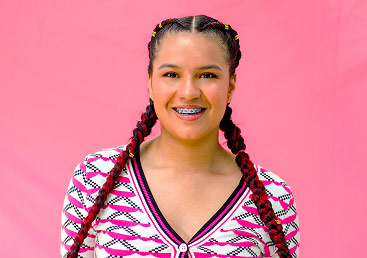
Best braces colors for adults
Adults typically gravitate toward more subtle or professional-looking options. Single darker colors such as navy, deep green, or burgundy are popular for maintaining a polished appearance. You can also pick a color similar to your eyes to make them stand out more.
For those seeking a lower-profile look, ceramic braces paired with neutral bands may be considered.

Teens
Braces Colors for Teens
Teens love using braces to express individuality. Popular colors for teens at Orthodontic Experts include electric blue, hot pink, burgundy, and neon green. Our orthodontists encourage teens with braces to consider lifestyle factors—such as diet—to maintain the vibrancy of lighter colors.
Kids
Braces Colors for Kids
Young patients enjoy braces adjustments more when they pick their colors. Bright shades, like red, green, or blue, are common choices. Our friendly orthodontic team ensures these visits are exciting events, making orthodontics an engaging and fun process.
Adults
Braces Colors for Adults
Adult patients often prefer professional and subtle colors, such as clear elastics, silver, or darker tones like navy blue or deep purple. These shades offer a sophisticated look suitable for professional environments. Our orthodontists frequently help adults choose colors that complement their professional and personal styles.
How to Choose Braces Colors by Person
Bold and Expressive Styles
Patients who enjoy standing out often choose high-contrast or vibrant color combinations, like red and orange or purple and blue. Mixing two complementary colors can create a unique look that reflects confidence and personality.
Minimal and subtle Styles
Those who prefer a more understated appearance may opt for neutral or darker single-color choices that blend easily with everyday wear. Silver or gray are ideal, low-profile options that don’t stain easily, while providing a subtle look.
Book a No-Cost consultation
Check out our current selection of fun and vibrant colors!
Spin the wheel to select a color randomly and go with your surprise.
Click to spin
Click to Start
Seasonal & Creative Braces Color Ideas
Seasonal color combinations
- Spring: lighter, fresh tones, like pastel blue or pink
- Summer: bright, energetic colors, such as red or navy
- Fall: deep, warm shades which include burgundy or orange
- Winter: cool or festive color combinations, like green and red
Special occasions
- Christmas: green and red
- Halloween: orange and black
- Thanksgiving: orange and reds
- Easter: pink and blue
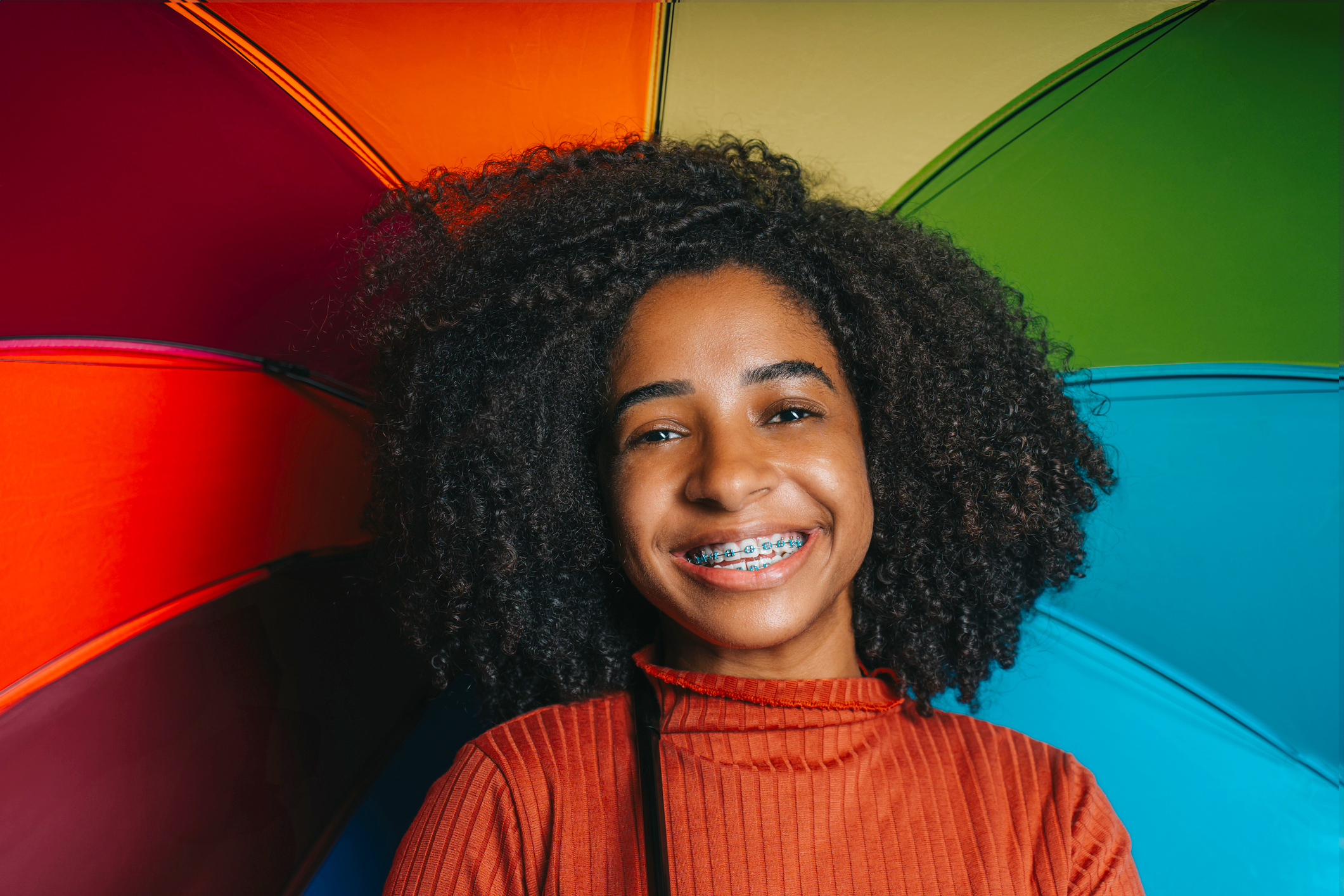
Some patients enjoy changing braces colors to match school events, sports teams, or holidays. These small adjustments can make orthodontic treatment feel more personalized.
Frequently Asked Questions About Braces Colors
How often can braces colors be changed?
Braces colors are typically changed every few weeks during routine adjustment appointments, giving patients flexibility throughout treatment.
Do braces colors stain over time?
Some lighter colors may stain more easily, especially when exposed to foods and drinks with strong pigments. It’s best to avoid white or pastel ligature ties if you consume pigmented drinks, like coffee or sodas. Darker colors usually maintain their appearance better.
Are braces colors different for ceramic braces?
Ceramic braces often use lighter or more neutral bands to keep a discreet appearance. Most patients choose between silver or gray to ensure minimal visibility.
Can I mix two colors on my braces?
Yes. Many patients choose two colors to create contrast or reflect personal, school, or seasonal themes.
What braces colors are best for school pictures?
Darker colors such as navy or deep purple are often chosen for photos because they create contrast and help teeth appear brighter.
Talk to an Orthodontist About Choosing Braces Colors
Choosing braces colors is a personal decision, and preferences may change throughout treatment. Orthodontists are happy to discuss color options during adjustment visits and help patients select shades that align with comfort, lifestyle, and appearance goals.
Braces colors offer a simple way to personalize orthodontic treatment, and with flexible options, patients can enjoy trying different looks as their smile progresses.