Orthodontist in Madison, WI for Braces, Invisalign®, and Clear Aligners
Orthodontic Experts Madison

Straight Teeth, Best Price - That's Nice!

Let us put the "WOW" in your smile!

Over 50,000 Happy Patients


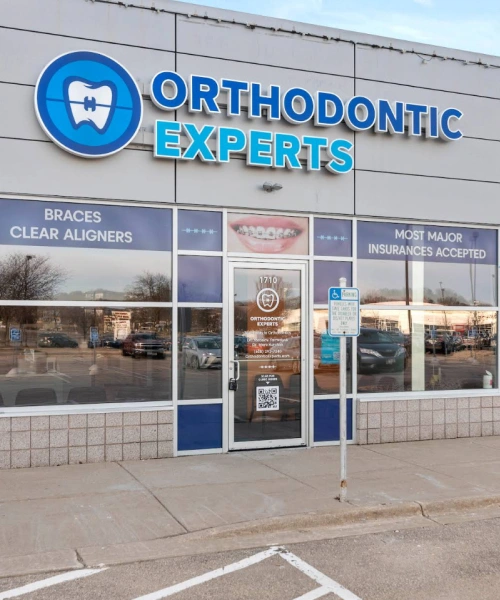
Orthodontic Experts Madison
Welcome to Our Madison Orthodontic Clinic
Orthodontic Experts Madison is an orthodontic practice at 1710 Eagan Road in Madison, WI, welcoming kids, teens and adults. Our orthodontists, Dr. Yaroslav Yarmolyuk and Dr. Mark Kurchak, and assess each patient’s goals, tooth alignment and bite before recommending treatment.
From braces to Invisalign® and other clear aligners, our orthodontists in Madison explain which options may suit your case, what daily care involves and how long treatment is expected to take. At a no-cost consultation, we review treatment costs, payment arrangements, dental insurance and Wisconsin Medicaid coverage requirements.
What Matters When You Choose an Orthodontist?
The right clinic should make it easier to understand your care. At Orthodontic Experts Madison, you can meet the team, compare treatment options and discuss the practical questions that come with regular orthodontic visits.

Expert Orthodontists
and Team
- Board-Certified Orthodontists (AAO, ABO)
- Multilingual Staff
- State-of-the-art technology
- Treats Complex Orthodontic Issues

Affordable
Orthodontic Care
- Accepts Medicaid
- Major Insurances are accepted
- Payment Plans with zero interest rate
- Accepts Care-Credit to cover out-of-pocket costs

Comprehensive
Treatment Options
- Same Day Braces
- Customized Clear Aligner and Invisalign® treatment
- Interceptive orthodontic treatment
- Surgical orthodontics

Discounts
and Offers
- Braces at $195*/months
- Clear Aligner $500*down
- Free Clear Retainers at the end of your treatment
- Complimentary Digital Scan ($250 Value)
- Free T-shirt & Hygiene Kit*

Accessible and
Trusted Care
- Evening & Weekend Appointments
- 24/7 emergency line
- 50,000+ smiles transformed
Meet the Orthodontists at Our Madison Clinic

Dr. Yaroslav Yarmolyuk
DDS, MS | Experienced Orthodontist
Dr. Yarmolyuk earned his Doctor of Dental Surgery degree at the University of Illinois Chicago. He then completed a two-year residency in orthodontics and craniofacial orthopedics at Marquette University, where he earned his Master of Science in Orthodontics.
His work focuses on the specialty of tooth movement and bite correction. He speaks English, Russian, Ukrainian and Polish. If you would prefer to discuss care in one of these languages, mention this when booking so the clinic can advise on the appropriate appointment.
“For me, orthodontics is more than just straightening teeth. Orthodontics is the way of helping my patients to improve their lives by giving them a beautiful, healthy, and confident smile.” – Dr. Yaroslav Yarmolyuk

Dr. Mark Kurchak
DDS, MS | Our Local Orthodontist
Dr. Kurchak grew up in Wisconsin, with family connections to Lake Geneva, Milwaukee and West Allis. His education includes dental and orthodontic training at the University of Texas Health Science Center in Houston, following undergraduate study in molecular, cellular and developmental biology at the University of Colorado Boulder.
He considered astronomy as a teenager before choosing a career helping people through orthodontics. Today, he sees patients at our Madison and Beloit clinics. Away from practice, he enjoys time with his family.
“I chose the path of orthodontics because I love helping people and creating dream smiles for everyone.” – Dr. Mark Kurchak
Orthodontic Treatment Options in Madison
Braces, Clear Aligners and Invisalign® Treatments
Invisalign® panel covers removable trays, consistent wear and possible attachments or elastics. The LLP already ranks third for the braces phrases, so braces copy should be preserved and refined, not rewritten.
Metal Braces in Madison
Metal braces are stainless steel brackets bonded to the teeth and joined by a wire, and they can handle a broad range of alignment and bite problems. Metal braces are checked and adjusted at regular visits, and your orthodontist may add elastics when your bite calls for it.


Ceramic Braces in Madison
Ceramic braces work like metal braces but use tooth-colored brackets, so they are less noticeable. Teens and adults who want a subtler look with fixed appliances often ask about ceramic braces. They need the same careful daily cleaning, and your orthodontist shows you how to care for the brackets and wires.


Gold Braces in Madison
Gold braces are a fixed option with brackets and wires in a gold-tone finish, for patients who like a more distinctive look. Treatment follows the same pattern as other braces, with regular adjustment visits and thorough daily cleaning. Ask about gold braces if you would like to compare style choices at your consultation.


Invisalign® in Madison
Invisalign® straightens teeth with a series of clear trays you can remove, so no brackets or wires are involved. Trays are generally worn 20 to 22 hours a day and swapped on the timetable your orthodontist sets, sometimes alongside small attachments or elastics. At our Madison office, your orthodontist first checks whether Invisalign® fits your teeth and bite, then reviews progress at follow-up visits and plans retainers once alignment is complete.


Clear Aligners in Madison
Besides Invisalign®, some patients are candidates for other clear aligner systems. They are all removable trays worn in sequence, so they work best for patients who can keep to the wear schedule. During your exam, your Madison orthodontist explains which system suits your case and why.


A No-Cost Orthodontic Consultation in Madison
Bring Your Questions to Your First Visit
You do not need to choose braces or aligners before contacting us. At your no-cost consultation, we start by finding out what concerns you and examining your teeth and bite. The discussion then connects those findings with a recommendation and an estimate of the care involved.
Your First No-Cost Consultation Includes:
- A Digital iTero® 3D Scan:
Accurate, radiation-free view of teeth and bite structure. - A Full Orthodontic Evaluation By Your Doctor:
Experienced orthodontist examines alignment, bite, and jaw function. - Bite & Spacing Analysis:
Identifies concerns such as crowding, spacing, and misalignment. - Personalized Treatment Recommendations:
Your orthodontist explains all options best suited for your case. - Transparent Pricing & Timelines:
Includes costs, monthly payment options, treatment timeline. - All Questions Answered No Pressure:
You’ll receive expert and honest guidance.
Paying for Braces or Aligners in Madison
Quality and Affordable Care in Madison
The treatment fee and the amount you pay depend on different things. Your orthodontic needs determine the proposed care; insurance benefits and payment arrangements affect how you pay for it. Our team can help you review both parts before starting.

Wisconsin Medicaid
We accept BadgerCare Plus and supported Wisconsin Medicaid plans. Orthodontic coverage depends on eligibility, medical necessity and authorization. Bring your current ForwardHealth or managed-care card so we can review the applicable process.

Dental Insurance
Your policy may include orthodontic benefits even if its routine dental benefits look different. We can check the plan details, remaining benefit and any restrictions relevant to the recommended treatment.

Monthly Payment Arrangements
Ask about dividing your treatment balance into monthly payments. We will discuss the initial payment and repayment schedule with you so you can consider the total commitment alongside other household expenses.

CareCredit
CareCredit is another way to finance care at this clinic. You must qualify for the financing, and terms vary by offer. Check how interest is calculated and when the balance needs to be repaid.

Current Discounts
An offer may have limits based on treatment type, insurance use or the date treatment starts. Ask which discounts currently apply and how they change your written estimate.

No-Cost Consultation
There is no consultation charge to you for the standard initial visit. Applicable services may be billed to insurance. The team will explain proposed treatment costs separately, before you make a treatment decision.
- Badgercare Plus HMO
- WI Anthem BCBS Child
- iCare
- Trilogy
- Badgercare Plus
- Delta Dental PPO (all states)
- BCBS
- Unicare
- Cigna
- Aetna
- Delta Dental
- Careington
- Unum
- Starmount
- Colonial Life
- AlwaysCare
- Guardian
- Ameritas
- Assurant Dental
- SunLife Financial
- Beam Dental
- BCBS
- Fort Dearborn Life
- Dominion Dental
- UHC
- Lincoln Financial
- MetLife
- Careington PPO
- Metlife PPO
- United HealthCare PPO
- Unicare PPO
- United Concordia PPO
- Principal (includes Ameritas, Reliance)
- Cigna PPO & Total Advantage PPO
Start With a Visit to Our Madison Orthodontists Request Your No-Cost Consultation
Orthodontic Care for Kids, Teens and Adults in Madison
Different Ages, Different Starting Points
A kid’s developing bite and an adult’s existing dental work raise different questions. We look at the stage of dental development and overall oral health when deciding what to recommend.
Pediatric Orthodontics
Around age seven, kids usually have a mix of baby and permanent teeth. An orthodontist can assess how those teeth are emerging and how the jaws fit together. The American Association of Orthodontists recommends a check-up by this age, or sooner if a problem is noticed. The outcome may be monitoring or a recommendation to address a specific developing concern.

Teens Orthodontics
Teens in Madison often fit treatment around school, sports and other activities. Most permanent teeth have come in by this age, so our orthodontists can evaluate the full alignment and bite and discuss braces or clear aligners. The right choice depends on the case, appearance preferences and whether a teen can wear aligners consistently. Learn more about teen orthodontic care.
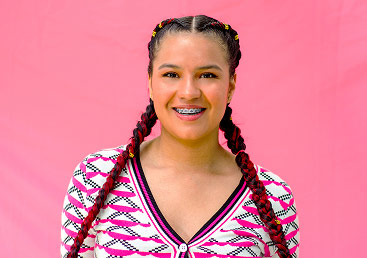
Adults Orthodontics
Adult orthodontics may involve a first course of treatment, teeth that have shifted since earlier braces or bite changes alongside other dental work. At your assessment, tell us about crowns, missing teeth and any gum treatment. We can discuss braces and aligners in the context of your oral health and coordinate with your dentist when needed.

Find Us on Madison’s East Side
A Local Clinic for Ongoing Orthodontic Care
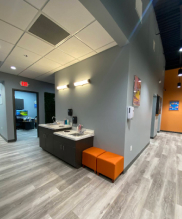
Orthodontic treatment involves return visits, so consider the journey as well as the first appointment. Our clinic is at 1710 Eagan Road, in the East Towne area of Madison. When booking, tell us about any school, work or travel constraints so we can discuss available appointment times.
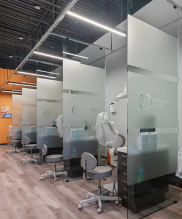
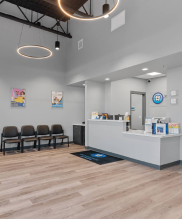
Plan Your Visit to Eagan Road
- East Towne Mall (4 mins from clinic)
- Olbrich Botanical Gardens (9 mins from clinic)
- Madison Children’s Museum (14 mins from clinic)
- Madison Museum of Contemporary Art (16 mins from clinic)
- Chazen Museum of Art (17 mins from clinic)
- Henry Vilas Zoo (21 mins from clinic)
Welcoming Patients From Madison and Surrounding Communities
Our Eagan Road clinic welcomes patients from across Madison and nearby communities, including Sun Prairie, Maple Bluff, Blooming Grove, Monona and Cottage Grove. If you are comparing locations, use the map to assess the trip you would make for regular follow-up care.
Concerns We Assess at Your Appointment in Madison
Understanding Your Teeth and Bite
Many patients have more than one alignment or bite concern at the same time. At your exam, our Madison orthodontists identify what is going on, such as crowding, gaps, overbites, underbites or crossbites, and explain whether braces, clear aligners or another approach could address it.
Crowding
Occurs due to a lack of space in the jaw, causing the teeth to twist.
Overbite
The top front teeth extend beyond the bottom front teeth.
Gapped Teeth
Too large spaces between the teeth, medically known as a diastema.
Open bite
Misalignment of the upper and lower teeth when the mouth is closed.
Underbite
The lower jaw and bottom teeth extend beyond the front upper teeth.
Crossbite
A condition where the upper teeth tilt towards the lower teeth.
Overjet
Also known as “buck teeth,” where the upper teeth overlap the lower teeth.
Crooked Teeth
A condition where the teeth are not properly aligned.
Experiences Shared by Madison Clinic Patients
Read About Visits to Our Clinic
Patient reviews offer another perspective on an clinic, including communication and day-to-day care. Read the Madison clinic’s Google reviews as you consider your options.
 rating score: 4.6 of 5, based on 137 reviews.


It was good and calm

(Translated by Google) Very good, excellent. (Original) Muy Buenos, exelente..

Orthodntic Experts was very friendly and kind and fast with their work!!

It was very good and they we're very nice.

I enjoyed this experience, the people were very nice and the braces turned out good and they have good braces colors. The team is very nice and friendly.

(Translated by Google) They treated me well (Original) Me trataron bien

The energy in the clinic was amazing vary positive. Wait was short today which was great for they alway seem like they where over booking the last few time we have been here. Paige and Evern where great with my son who had to do some unforeseen work done. Sophie and Lucy have been a blast to work with as well in the past The doctor has been honest and straightforward every time!

Everyone at the clinic is so respectful, caring, and genuinely concerned about their patients’ well-being. I especially appreciate how professional and attentive Maria was throughout my visit. She took the time to make sure I was comfortable, listened to my needs, and made me feel like I was truly cared for. Everyone truly made going to the orthodontic clinic feel a lot less scary and stressful. I’m very grateful for the kindness and care I’ve received from everyone there.

She was awesome. Knowledgeable and quick to put all the braces on. Did a fantastic job. Would recommend to everyone.
Frequently Asked Questions
Where is your Madison clinic?
Our address is 1710 Eagan Rd, Madison, WI 53704, in the East Towne area. Use the clinic’s map listing to plan your route. If you need help finding the entrance, call (608) 292-7240 before your visit.
Do you offer Invisalign® in Madison?
Yes, Invisalign® is available at our Eagan Road clinic, alongside other aligner systems such as 3M. During the consultation, ask to compare the options your orthodontist considers appropriate, including the expected wear routine, planned follow-up and what is included in the fee.
How much will my braces or aligners cost?
An accurate fee requires an examination and a proposed treatment plan. Complexity, appliance choice and the extent of care can affect the price. Request an estimate showing the total treatment fee, expected insurance contribution and your balance. A monthly payment amount alone does not show the full cost.
Does the Madison clinic accept BadgerCare Plus?
Yes. We accept BadgerCare Plus and supported Wisconsin Medicaid plans. Coverage for braces requires a separate review of eligibility and medical necessity, along with applicable HealthCheck and authorization requirements. Bring your current card; our team can explain the steps relevant to your plan.
Do I need a dentist’s referral to book?
A general dentist referral is not required to schedule a consultation with us. Wisconsin Medicaid’s HealthCheck process and any managed-care requirements are separate considerations. Let the clinic know which plan you use when booking so we can explain what information is needed.
Will my dental insurance cover all of the treatment?
That depends on your policy. Orthodontic benefits may have an age limit, a lifetime maximum or exclusions for particular treatment. We can review the available benefit and estimate your share. The insurer makes the final coverage determination under your plan.
What if I do not have orthodontic coverage?
You can still arrange a no-cost consultation and discuss self-pay options. Our team can explain monthly payment arrangements, applicable discounts and CareCredit financing. Review the overall fee, any initial payment and the terms before choosing how to pay.
Does an early check-up mean my kid needs braces now?
No. A first orthodontic assessment may lead to periodic observation rather than immediate treatment. If early care is recommended, your orthodontist should explain the specific concern, the purpose of that stage and whether another stage may be needed later.
How long does treatment take, and how often will I visit?
Both depend on the planned tooth movements, appliance and progress. After examining you, the orthodontist can give an estimated duration and explain the expected visit schedule. Keeping appointments and following instructions for aligners, elastics and appliance care help treatment stay on course.
Can I have treatment again if my teeth have shifted?
Yes, retreatment may be an option. Bring your previous retainers and any available records so we can assess what has changed. A second course of treatment is not automatically covered by insurance; earlier orthodontic benefits may have used some or all of a lifetime allowance.
Can I move my existing orthodontic care to your Madison clinic?
Contact us before changing providers. Transfer care requires a review of your current appliances, records and remaining treatment needs. Insurance or Medicaid authorizations may also need review. We can discuss whether we can take over care and what the process would involve.
Will I need a retainer after treatment?
Retainers help maintain the positions achieved during orthodontic treatment. Your orthodontist will recommend a retainer and explain the wear schedule. Ask what retainers and follow-up visits are included in your agreement and what replacement costs may apply.
Our Location
Orthodontic Experts Madison
Get the confidence you deserve and discover your new true smile with Orthodontic Experts.
Orthodontic Services
Patient Resources
Quick Links
Copyright © 2026. Orthodontic Experts Ltd. | Notice of Privacy Policy | Design & Developed by iSEO Ranker